
FPV drone racing has exploded from a niche hobby into a recognized competitive sport with organized leagues, professional pilots, and a thriving community of enthusiasts worldwide. FPV stands for first-person view, meaning you fly the drone while wearing goggles that display a live video feed from a camera mounted on the aircraft. The sensation of speed and immersion is unlike anything else in the racing world. If you have been curious about getting into FPV drone racing in 2026, this guide covers everything you need to know to go from zero to your first flight.
01 Why FPV Drone Racing Is Worth Trying
FPV racing combines the thrill of high-speed competition with the technical satisfaction of building and tuning your own machine. Races take place on purpose-built courses with gates, flags, and obstacles, with pilots reaching speeds of 80 to 120 miles per hour. The community is welcoming to newcomers, and the barrier to entry has dropped significantly as technology has improved and prices have come down. Whether you want to compete or simply enjoy the freedom of high-speed flight, FPV racing offers an experience that no video game or simulation can replicate.
02 Understanding the Equipment
The Drone (Quad)
Most FPV racing drones are custom-built from individual components, though ready-to-fly options exist for beginners. A standard racing quad uses a 5-inch propeller configuration, which offers the best balance of speed, agility, and power. The main components include:
- Frame: A carbon fiber frame that holds everything together. Popular sizes are 5-inch class frames from brands like iFlight, Armattan, and TBS.
- Flight controller: The brain of the drone that processes your stick inputs and manages the motors. Most run Betaflight firmware, which is open-source and highly configurable.
- Electronic speed controllers: ESCs translate commands from the flight controller into motor speed adjustments. Modern all-in-one ESC boards simplify the build process significantly.
- Motors: Brushless motors in the 2207 to 2306 size range are standard for 5-inch racing quads. Higher KV ratings produce more speed, while lower KV ratings offer more torque and efficiency.
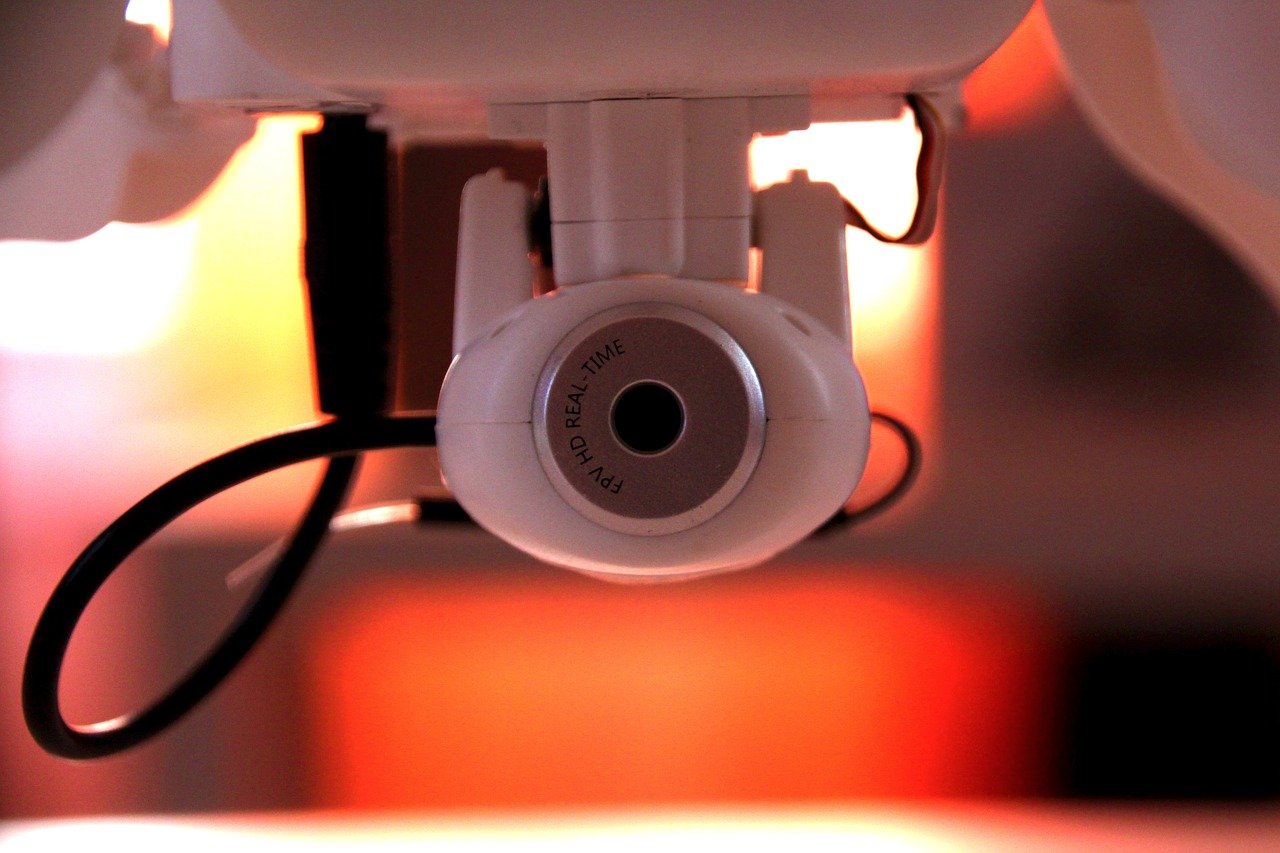
- Camera: A small, lightweight FPV camera transmits video to your goggles. Low latency is critical for racing, as even milliseconds of delay affect your ability to react at speed.
- Video transmitter: The VTX broadcasts the camera feed to your goggles. In 2026, both analog and digital systems are widely used, with digital systems from DJI and HDZero offering dramatically better image quality at a higher price point.
FPV Goggles
Goggles are your window into the flight experience. Entry-level box-style goggles from Eachine and Skyzone start around 80 to 150 dollars and work well for learning. Compact goggle designs from Fat Shark and DJI offer better comfort and image quality but cost 300 to 600 dollars. If you plan to invest in digital video, the DJI Goggles 3 or HDZero Goggle X are the current standards for racing in 2026.
Radio Transmitter
The radio transmitter is the controller you hold in your hands. A quality transmitter is the single most important long-term investment because it will outlast multiple drones. The RadioMaster Pocket, TX16S, and TBS Tango 2 are popular choices that support the ExpressLRS protocol, which has become the dominant standard for racing in 2026 due to its low latency, long range, and open-source development.
Batteries
Racing quads typically run on 4S or 6S lithium polymer batteries. A 4S 1300 to 1500mAh pack provides three to five minutes of aggressive racing flight. You will want at least four to six batteries to have a reasonable session at the field. A quality balance charger like the iSDT D2 or ToolkitRC M8 is essential for safely charging and maintaining your batteries.
03 Learning to Fly: The Simulator First Approach
Do not buy a racing quad and try to fly it on day one. FPV flying requires developing muscle memory and spatial awareness that takes time to build. The most efficient and cost-effective way to learn is by starting with a simulator on your computer. Connect your radio transmitter to your PC via USB and practice in simulators like Liftoff, VelociDrone, or Uncrashed. Aim for at least 10 to 20 hours of simulator time before your first real flight. Practice flying through gates, maintaining altitude, and recovering from mistakes. The skills transfer directly to real flying, and crashing in a simulator costs nothing.
04 Your First Real Flights
When you are ready to fly in the real world, start in a large, open field away from people, buildings, and power lines. Begin with gentle maneuvers, learning to hover, fly in circles, and make controlled turns. Do not attempt racing speeds or acrobatic maneuvers until you are comfortable with basic flight control. A Tiny Whoop style micro drone is an excellent first real-world flyer because it is small, lightweight, and can be flown indoors or in small spaces without risking serious damage or injury.
05 Joining the Community
One of the best aspects of FPV racing is the community. Local FPV groups organize regular meetups, practice sessions, and informal races. MultiGP is the largest organized racing league, with chapters across the country that hold timed events and competitions for all skill levels. Joining a local group is the fastest way to improve because experienced pilots are almost always willing to help newcomers with building, tuning, and flying technique. Online communities on Discord, Reddit, and YouTube also provide endless resources for learning and troubleshooting.
06 Budget Breakdown for Getting Started
Here is a realistic budget for a complete FPV racing setup in 2026:
- Radio transmitter: 80 to 200 dollars
- FPV goggles: 100 to 500 dollars
- Racing quad (built or RTF): 200 to 400 dollars
- Batteries (4 to 6 packs): 80 to 150 dollars
- Battery charger: 50 to 80 dollars
- Miscellaneous (props, tools, bag): 50 to 80 dollars
A modest but functional starter setup can be assembled for around 500 to 700 dollars, while a higher-end digital setup runs 800 to 1400 dollars. The radio transmitter and goggles are the items worth spending more on, as they will last through many drone builds.
07 Final Thoughts
FPV drone racing is one of the most exciting and accessible forms of racing you can participate in during 2026. The combination of speed, immersion, and technical tinkering creates a hobby that is endlessly engaging. Start with a simulator, invest in a quality transmitter, connect with your local community, and take your time developing your skills. The skies are waiting.